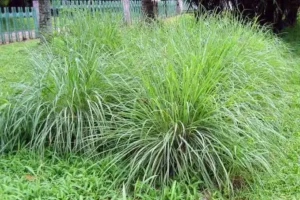
Natural Repellents
Plant-based repellents provide additional protection when applied correctly and consistently.
 AfyaGuard
Get Involved
AfyaGuard
Get Involved
Malaria remains a major health threat for families across Tanzania, especially for pregnant women and children whose bodies are more vulnerable to severe infection.
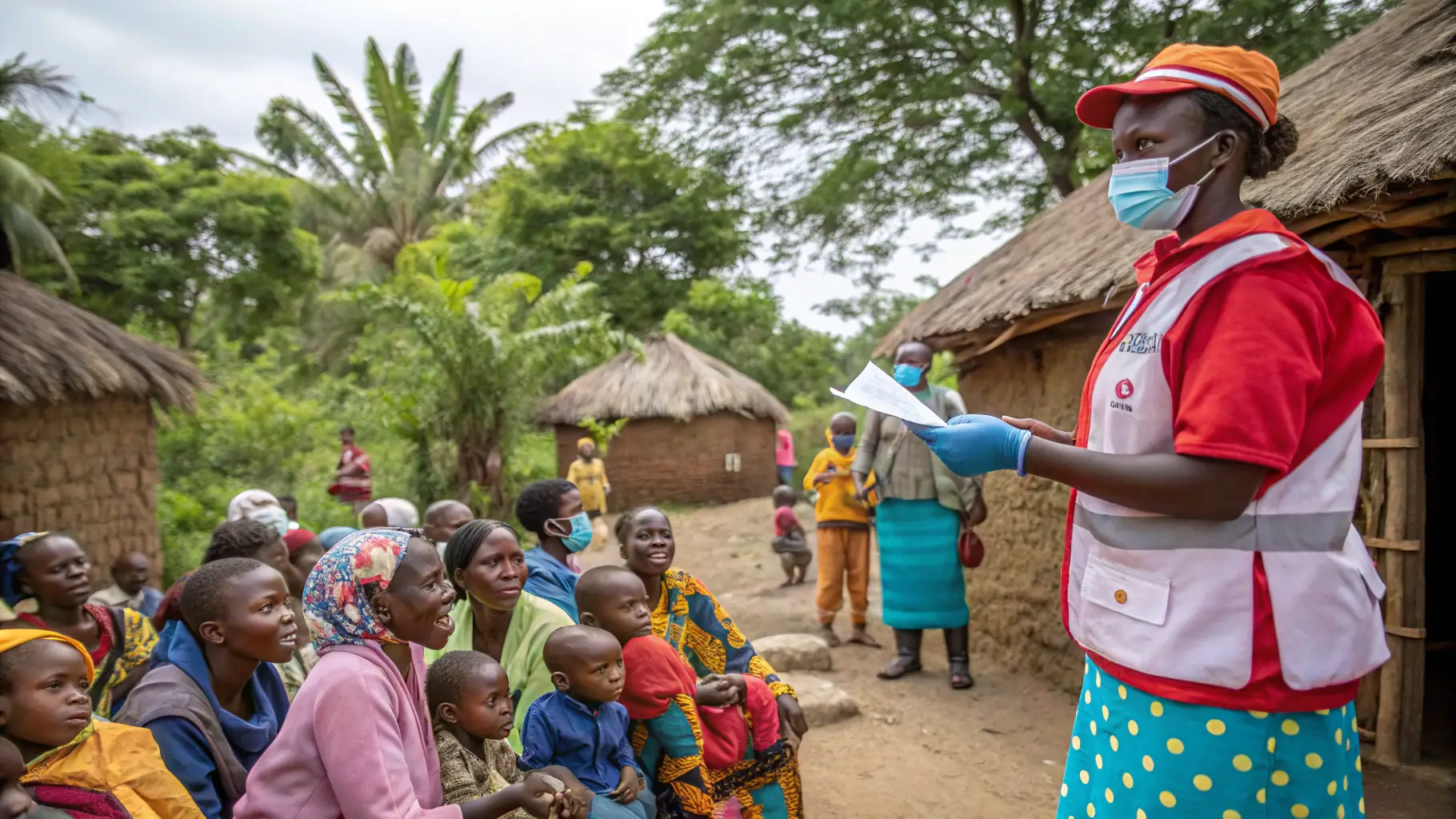
When an infected mosquito bites a person, malaria parasites enter the bloodstream, first multiply in the liver, and then attack red blood cells, leading to fever, chills, weakness, and potentially life-threatening complications.
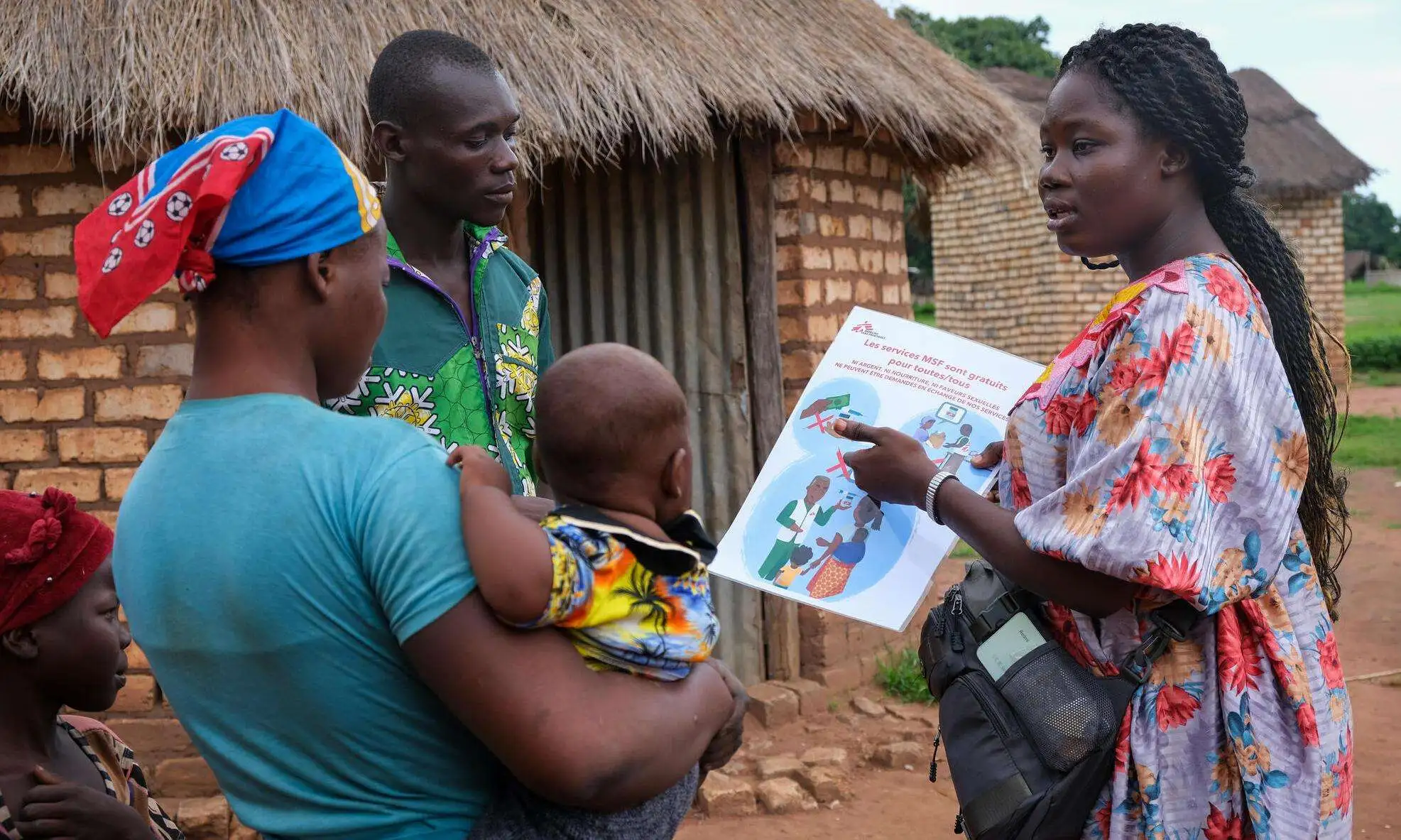
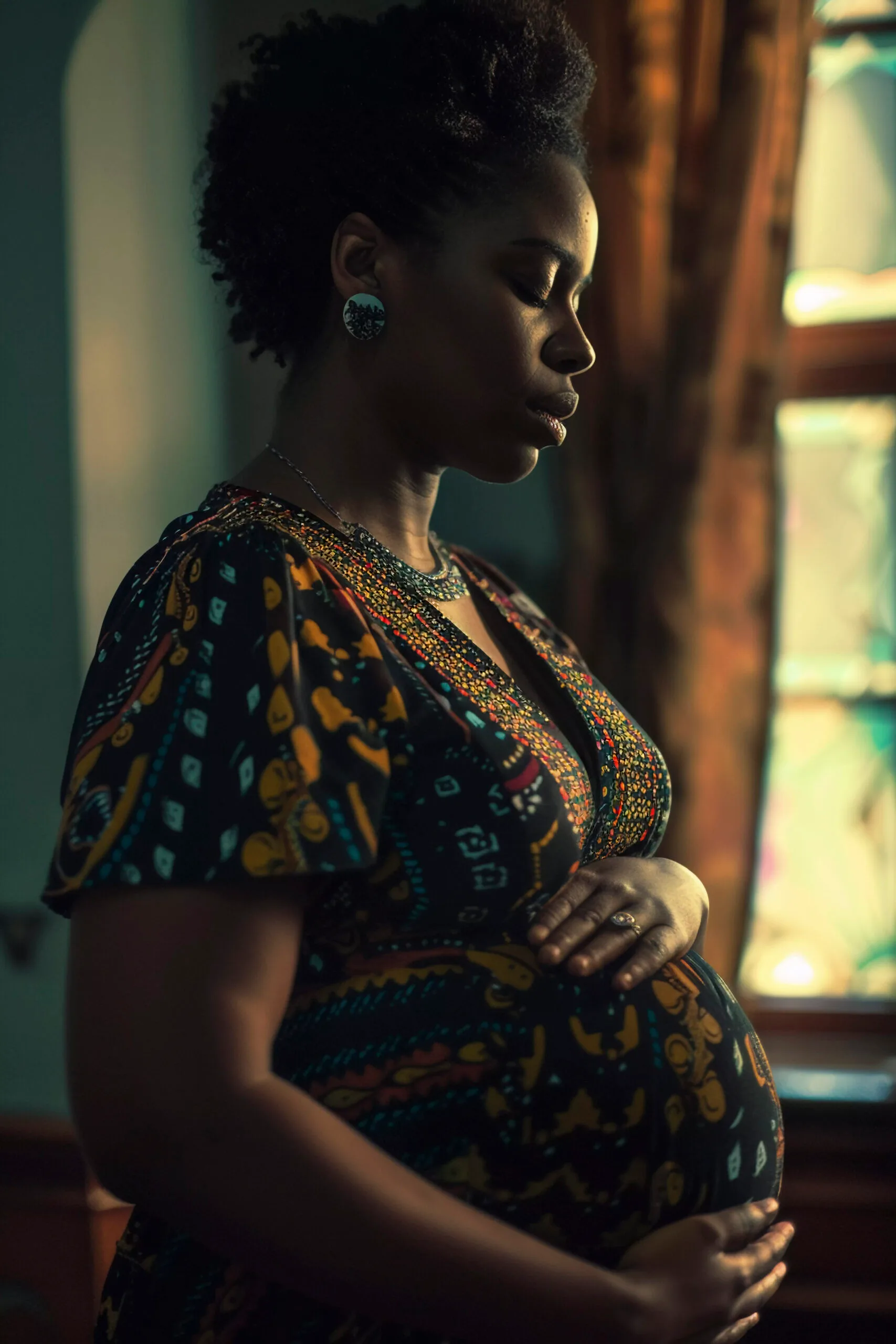
Pregnancy lowers immunity, which can make malaria more dangerous for both the mother and unborn child. Young children are also at high risk because their immune systems are still developing.
Families can reduce risk through mosquito repellents, cleaner surroundings, early awareness, and targeted support for pregnant women and children.
Plant-based repellents provide additional protection when applied correctly and consistently.
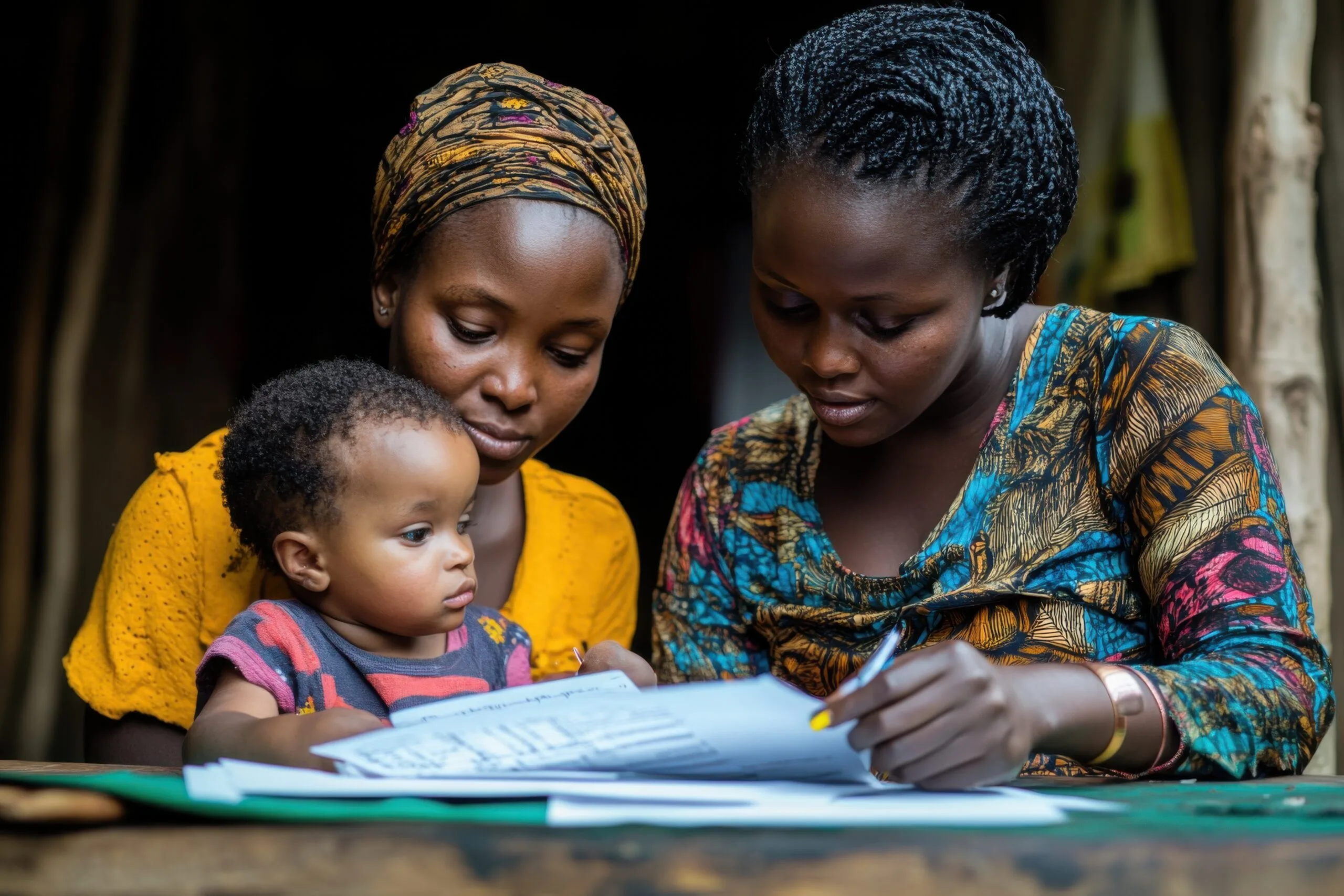
Clear education helps families recognize symptoms, understand risks, and act earlier.
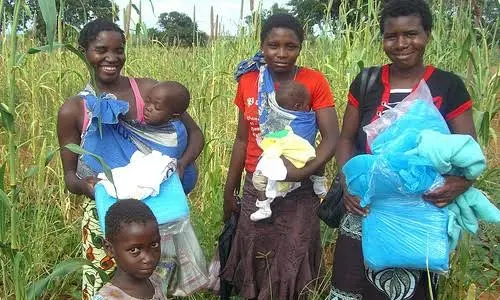
Focused prevention supports safer pregnancies and healthier childhood development.
Support prevention work, education programs, and practical community action that saves lives.